


You want to perform Umrah, but don’t have enough savings, and your question is can you borrow money for Umrah? This is a question many people face when their heart feels ready for the journey, but their pocket does not match that desire. It is natural to wonder if you can borrow money for Umrah, especially when you see others planning their trip, and you wish to do the same.
Many people ask if borrowing money for Umrah is allowed in Islam, and the answer is not the same for everyone. It depends on your financial ability, the kind of loan you plan to take, and the Islamic ruling behind it. In simple terms, Islam values both intention and responsibility, so your decision should be based on what you can truly afford without causing hardship to yourself or your family.
When you think about taking a loan for Umrah, you must understand how Islamic principles like Istita’ah (financial ability) and Riba (interest) play a role. The question is not only about borrowing money, but whether the loan is interest-free and if it allows you to remain stable after repayment.
This post will help you understand what is allowed and what should be avoided when planning Umrah through borrowed money. You will learn how Islamic law views borrowing, what options are halal, and how to prepare yourself financially before taking this sacred step.
Understanding What Umrah Means and Why It Matters
Umrah is a spiritual journey that holds great value in Islam. It is a form of worship where you visit the holy city of Makkah, perform specific rituals, and seek closeness to Allah. Even though it is shorter than Hajj, the experience carries deep emotional and spiritual meaning. Many Muslims see it as a chance to refresh their faith, ask for forgiveness, and return home with a clean heart and renewed purpose.
Unlike Hajj, Umrah is not an obligation. It is a voluntary act of worship, which means you perform it by choice when you have the means and ability to do so. In Islam, obligations such as Hajj or Zakat must be fulfilled when you meet certain conditions. But Umrah is considered a recommended act, not a duty that you must complete. This difference is important because it changes how borrowing money is viewed.
Since Umrah is voluntary, you are not required to go into debt or take a loan to perform it. Islam teaches that you should only do voluntary acts of worship when you can afford them comfortably. If performing Umrah means taking a loan or putting yourself under financial stress, it is better to wait until you have enough savings. This approach keeps your worship pure, protects your financial stability, and ensures that your Umrah is done with full peace of mind and sincere intention.
The Core Question: Can You Borrow Money for Umrah?
Islam encourages you to plan your worship responsibly. If you have enough savings, a stable income, and no heavy debt, then you meet the condition of Istita’ah. But if performing Umrah means you will struggle to pay your bills, delay your rent, or leave your family in difficulty, then it is better to wait. True faith includes managing your duties with balance and care.
When you ask yourself, Can you borrow money for Umrah, the answer depends first on your financial ability, known in Islam as Istita’ah. This concept means having the means and resources to perform Umrah without facing hardship. It covers more than just travel expenses; it includes your daily needs, your family’s support, and any debts or responsibilities you already have. In simple terms, you should be financially ready to perform Umrah without harming your personal or family situation.
There is also an important rule in Islam that debt takes priority before voluntary acts of worship. Clearing what you owe to others comes first because it reflects honesty, trust, and responsibility. When you free yourself from debt, your worship becomes cleaner and more peaceful. Performing Umrah while owing money can make you worry about repayment, which may affect your focus and sincerity. So, the right time to perform Umrah is when you are both spiritually ready and financially stable.
Islamic Ruling: Borrowing and Debt in Worship
In Islam, paying off your debts is one of the most serious financial duties. You are encouraged to clear what you owe before spending money on voluntary acts like Umrah. This rule protects your financial peace and keeps your worship pure.
Debt is seen as a responsibility that must be handled with honesty and discipline. If you perform Umrah while still owing others, you may carry that worry in your heart, which can affect your focus and peace during the journey.
When it comes to borrowing, Islam sets clear limits. Borrowing Money For Umrah with interest, known as riba, is strictly forbidden. Riba is considered harmful because it creates unfair gain and financial burden.
Taking a loan that includes interest not only affects your financial stability but also goes against Islamic teachings. So even if you are eager to go for Umrah, you should never take an interest-based loan or use a credit card that charges extra fees. Such options make your act of worship less permissible and bring unnecessary financial stress.
However, Islam allows interest-free loans, known as Qard Hasan. This type of loan is based on trust and good faith. You can borrow from family, friends, or an Islamic organization that offers Qard Hasan, as long as you are confident you can repay it on time.
Many Fatwas and scholars confirm that taking an interest-free loan for Umrah is permissible if repayment is certain and it does not cause hardship. By choosing this halal way, you stay within Islamic rules and avoid riba while still fulfilling your wish to perform Umrah.
When Borrowing Might Be Acceptable
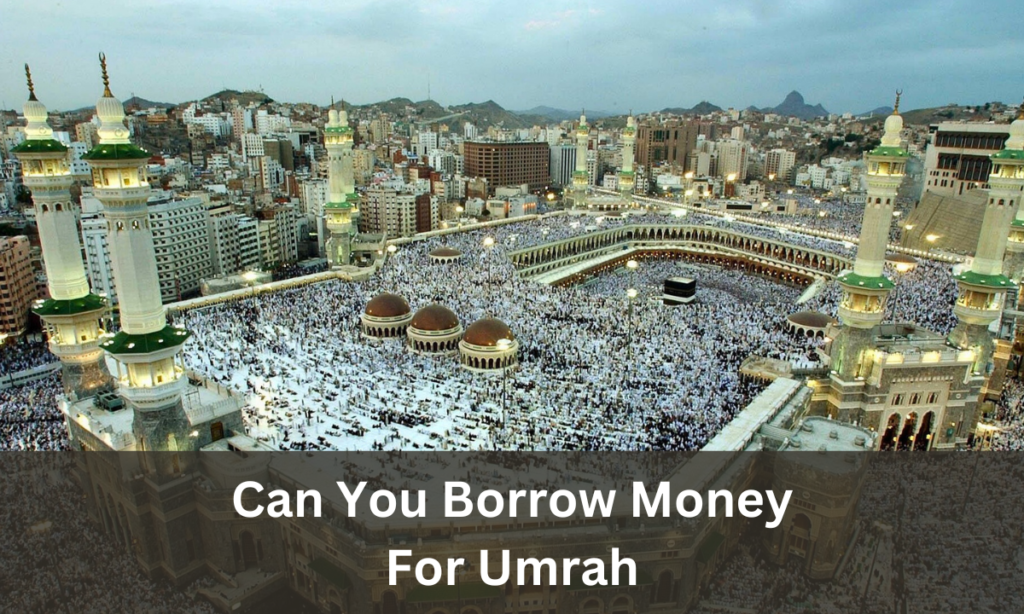
There are some situations where borrowing money for Umrah may be allowed in Islam, but only under very careful and safe conditions. The first condition is that you must have a steady income and the clear ability to repay the loan without stress. This means your financial ability should not be affected by the decision to travel. If you can continue to manage your daily expenses, support your family, and repay the loan on time, then taking a small, interest-free loan for Umrah may be considered permissible.
The second condition is that the loan must be interest-free. In Islam, borrowing that involves riba is not acceptable, no matter how small the amount. If you are offered a Qard Hasan, which is a loan given with good intentions and no extra payment, it can be taken as a halal and ethical way to fund your pilgrimage. You can borrow from a family member, friend, or Islamic organization that follows this principle. This kind of permissible loan keeps your worship pure and protects you from financial harm.
The third condition is that you should not delay other important financial duties. This includes paying your bills, covering your family’s needs, or clearing old debts. If borrowing for Umrah makes you fall behind on these duties, then it is better to wait. Islam values responsibility and balance, especially when it comes to voluntary acts of worship.
Many scholars agree that borrowing for Umrah can only be acceptable if all these conditions are met. It must not affect your financial stability or create future problems with repayment. By keeping these principles in mind, you can make a responsible decision that respects both your faith and your finances.
What Scholars and Fatwas Say About Borrowing for Umrah
Different Islamic scholars have shared their opinions on whether borrowing money for Umrah is allowed. The main Islamic ruling depends on your financial condition and the type of loan you plan to take. Scholars explain that Umrah is a voluntary act of worship, not an obligation like Hajj. Because it is voluntary, you should only perform it when you are financially ready and free from debt. If you are still paying off loans or struggling to manage your expenses, most scholars say it is better to wait until you are stable.
Many Fatwas from well-known Islamic authorities also follow this view. They state that taking a loan for a voluntary act like Umrah should not put you under pressure or cause a delay in paying what you owe. Islam always promotes responsibility and fairness in financial matters. Performing voluntary worship while carrying unpaid debt can reduce your peace of mind and affect the sincerity of your act.
Scholars are also united on one clear point: any riba-based loan is strictly forbidden. No matter how strong your wish to perform Umrah, taking an interest-bearing loan goes against Islamic law. Such loans are not permissible because riba leads to unfair financial gain and harm. Instead, scholars encourage you to save patiently or take an interest-free loan if repayment is certain and easy.
The conclusion from most Islamic scholars and Fatwas is simple. Umrah is a noble form of voluntary worship, but it should be done only when you are financially capable and free from debt. Avoiding riba and acting with financial wisdom keeps your Umrah pure and fully accepted in the sight of Allah.
Safe and Halal Ways to Fund Your Umrah
If you are planning to perform Umrah but do not have enough funds, there are practical and halal ways to make it possible without falling into debt or using interest-based loans. The best approach is to plan early and save monthly for Umrah. You can create a small savings plan that fits your income and expenses. Set aside a fixed amount each month in a separate account or savings box. Over time, these small steps build up and help you reach your goal without any financial stress.
Another safe option is to ask your family or close friends for an interest-free loan. In Islam, this is known as Qard Hasan, which means a good or kind loan. It is given out of trust and without expecting any extra payment in return. A family loan like this is completely permissible and follows Islamic values of helping one another in good deeds. When you borrow this way, make sure you agree on a clear repayment plan that fits your financial ability.
You can also explore Islamic bank installment plans that are free from riba. Many Islamic banks offer special Umrah or Hajj financing programs where you can pay in small monthly installments without interest. These plans are designed according to Sharia rules, which means they avoid any form of riba and keep your financial dealings halal. Before signing any agreement, read the terms carefully to make sure it is truly interest-free.
Another helpful idea is to join an Umrah savings program or community fund. Many mosques, Islamic centers, and travel agencies run group savings plans where you contribute a small amount every month. When your turn comes, the collected amount helps you cover your travel costs. This is a smart and halal way to fund your trip while staying within Islamic limits.
By following these steps, you can prepare for Umrah in a responsible and permissible way. Whether through saving, taking a Qard Hasan, or joining an Islamic savings plan, you protect yourself from riba and ensure that your journey is filled with barakah and peace of mind.
Common Mistakes to Avoid
When you plan to perform Umrah, it is important to stay away from practices that go against Islamic teachings or cause financial harm. One of the biggest mistakes you can make is borrowing with interest, also known as riba-based loans.
Riba is strictly forbidden in Islam because it creates unfair gain and puts extra pressure on the borrower. Taking such a loan may seem like a quick way to fund your trip, but it brings long-term problems and makes your act of worship less pure. A journey like Umrah should be supported by halal means, not by financial choices that bring sin or burden.
Another mistake is using credit cards that charge extra fees or interest. Many people believe they can pay later without harm, but most credit cards involve riba if the balance is not cleared in time. This small interest adds up and turns into a serious financial issue.
Instead, you should use only what you can afford and avoid any payment method that involves hidden charges or interest. Keeping your transactions clean and interest-free ensures that your worship remains sincere and acceptable.
You should also never ignore your existing debt or the needs of your dependents when planning for Umrah. Islam teaches that your responsibility toward your family comes before voluntary acts of worship. If your trip means your family will face difficulty or you will delay paying your debts, then it is better to wait. True faith means fulfilling your duties first and avoiding hardship for those who rely on you.
Lastly, avoid performing Umrah just to show off or because of social pressure. Worship in Islam is based on intention, and your reason should always be to please Allah, not to impress others. Going for Umrah only to gain status or prove something to people weakens the real purpose of the journey.
A sincere intention, supported by honest means and a clear heart, brings true blessings. When you save with patience, avoid riba, and act with pure purpose, your Umrah becomes not only a trip but a meaningful act of devotion.
Final Advice: Patience Brings Blessings
It is always better to wait until you can afford Umrah with ease and full peace of mind. Performing Umrah should never put you under financial stress or make you worry about how to repay a loan. Islam teaches that every act of worship should be done with sincerity, stability, and clear intention. When you have the financial ability and your life is debt-free, your worship becomes more peaceful and focused. You are able to give your full heart to prayer without the weight of financial worries.
Patience is also a part of faith, and waiting for the right time brings its own blessings. When you save slowly, plan carefully, and prepare with good intention, Allah rewards you for every effort. Your intention to perform Umrah, even before you go, carries value in the sight of Allah. Many scholars remind us that sincere intention and patience can bring equal reward to the act itself, especially when you are waiting for the means to perform it in a halal way.
Financial stability gives your journey a calm and pure foundation. You can travel with peace of mind, knowing you are not leaving behind unpaid debts or financial stress. A debt-free Umrah allows you to focus only on your worship and spiritual growth. By being patient, responsible, and grateful, you not only fulfill your dream of performing Umrah but also earn lasting blessings that come from doing it the right way.
FAQs
Q1. Is it permissible to borrow money for Umrah?
If you are thinking of borrowing money for Umrah, it is only allowed under clear conditions. You can borrow if the loan is interest-free and you are confident you can repay it without stress. Taking a riba-based (interest) loan is not allowed in Islam. Borrowing should never put you or your family under financial pressure. It is better to perform Umrah when you have full financial ability and peace of mind.
Q2. What if I already have debt?
If you already have debt, your first responsibility is to pay it off. Islam teaches that clearing your debt comes before performing voluntary acts like Umrah. You should make sure your creditors are paid or have agreed on a repayment plan before planning your journey. Performing Umrah while still in debt can disturb your focus and reduce your peace during worship. When you are debt-free, your heart feels lighter and your worship becomes more peaceful.
Q3. Can I use a credit card for Umrah?
You can use a credit card for Umrah only if you pay the full balance before interest applies. If your card charges any extra fees or interest, then using it is not allowed. The best way is to use a debit card or a prepaid card that uses your own money. This helps you stay in control of your spending and keeps your Umrah journey free from any riba-related issues.
Q4. Are there Islamic banks that offer Umrah financing?
Yes, some Islamic banks and financial institutions offer halal Umrah financing. These plans are usually based on Shariah-compliant models like Qard Hasan (benevolent loan) or Murabaha (cost-plus financing). You should always check with your local Islamic bank or travel agency that partners with one. Make sure there is no hidden interest or extra charge that goes against Islamic principles.
Q5. What is Istita’ah, and why is it important?
Istita’ah means having the financial and physical ability to perform Umrah. It includes being able to afford travel, accommodation, and basic needs without harming your financial stability or dependents. This condition is very important because Islam values responsibility. When you perform Umrah with financial ability, you experience blessings, peace of mind, and a stronger spiritual connection. Waiting until you are fully ready makes your worship more sincere and fulfilling.
Conclusion
You should always remember that performing Umrah with honest and pure means brings more blessings to your life. When your earnings are clean, and your travel is free from debt or interest, your worship feels lighter and more meaningful. The peace you feel during Umrah comes from knowing that every step of your journey is done with sincerity and honesty. This is what truly connects you to the spiritual purpose of Umrah.
Borrowing money with interest may seem like an easy option, but it harms you both financially and spiritually. It creates pressure, takes away your peace of mind, and goes against the values of Islamic teachings. When you stay away from riba and choose lawful ways to save for Umrah, your effort itself becomes a form of worship. Every small step you take towards this goal brings reward and builds patience.
Stay motivated and remind yourself that Allah values your intention and effort more than the speed of reaching your goal. If you wait until you can perform Umrah with financial ability and a debt-free heart, your experience will be full of blessings, peace, and spiritual satisfaction.