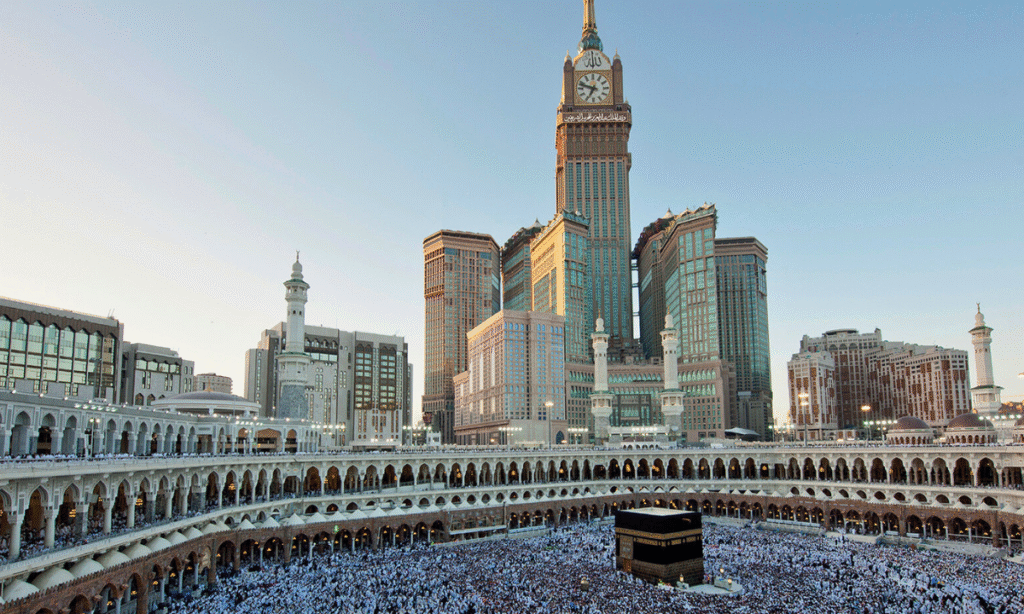



If you have ever wondered how much money Saudi Arabia makes from Hajj and Umrah, you are not alone. Millions of Muslims travel to Makkah and Medina every year. These pilgrimages are among the world’s largest religious tourism activities. They generate billions of dollars through visas, hotels, transport, shopping, and other services.
Under Vision 2030, Saudi Arabia is expanding its tourism sector. Pilgrimage tourism is becoming a more important part of the economy.
Pakistan is one of the largest sources of Hajj and Umrah travelers each year. Many pilgrims from Pakistan follow these developments.
Why Hajj and Umrah Are Important to Saudi Arabia’s Economy
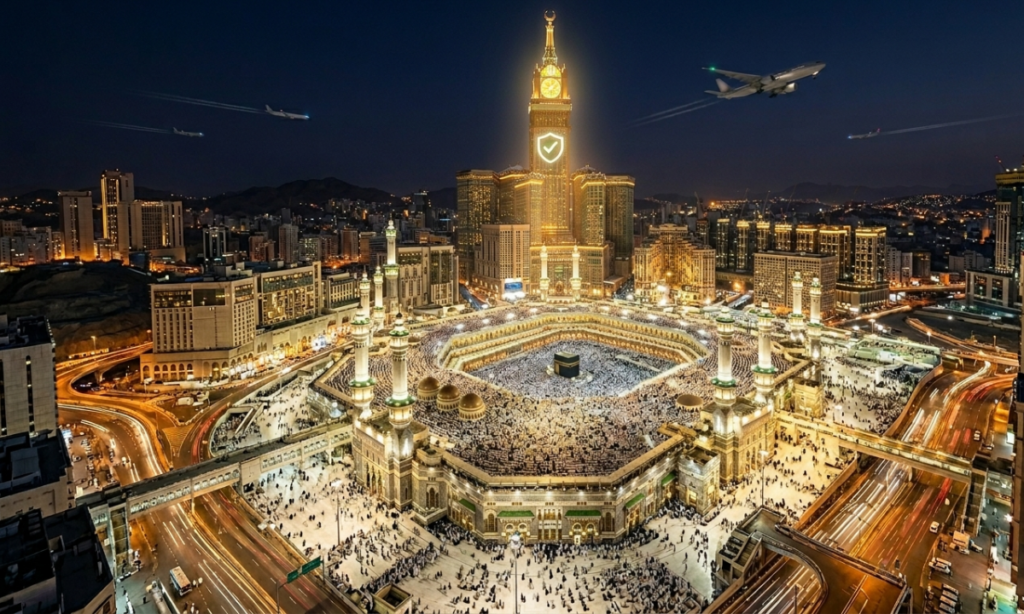
Religious tourism is one of the most valuable sectors in Saudi Arabia’s economy. Every year, millions of pilgrims visit Makkah and Madinah to perform Hajj and Umrah. These visitors spend money on hotels, transportation, food, shopping, and other services.
The Saudi pilgrimage economy supports thousands of businesses. It also creates employment opportunities across many industries.
Religious tourism also encourages investment in infrastructure, transportation, and hospitality services. This helps the economy grow beyond the energy sector.
How Much Money Does Saudi Arabia Earn From Hajj and Umrah Each Year?
Saudi Arabia earns an estimated $12 billion to $20 billion each year from Hajj and Umrah. The exact amount varies with the number of pilgrims and economic conditions.
Hajj generates billions of dollars during the pilgrimage season. Umrah provides year-round income. As it can be performed throughout most of the year.
Direct Revenue Sources From Hajj and Umrah
Visa and Processing Fees
One of the main revenue sources is Hajj visa services and Umrah permit systems. Pilgrims pay fees for visa processing, approvals, and travel arrangements. Digital platforms like Nusuk make booking and permits easier. They also help manage services more efficiently for pilgrims and authorities.
Transportation Revenue
Transportation generates substantial income during the Hajj and Umrah seasons.
Accommodation Revenue
Hotels in Makkah and Madinah benefit greatly from pilgrimage tourism. Revenue comes from airports, domestic airlines, buses, taxis, and other transport services.
Government Service Charges
Saudi Arabia also earns income through administrative services, security operations, and health services. These services help ensure a smooth and organized pilgrimage experience.
Indirect Economic Benefits of Hajj and Umrah
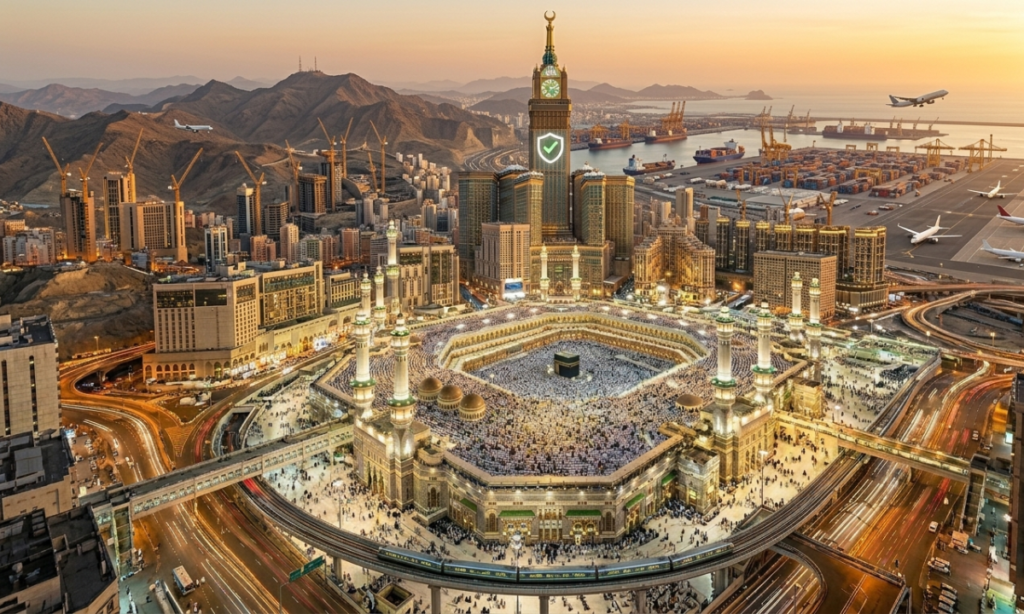
Retail and Shopping Sector
Pilgrims often purchase gifts, Islamic products, clothing, prayer items, and souvenirs. This spending supports local businesses and contributes to the wider economy.
Food and Restaurant Industry
Restaurants, cafes, and food suppliers benefit from millions of visitors each year. Pilgrims’ spending on meals increases demand for hospitality services in Makkah and Medina.
Real Estate Development
The continued growth of Hajj and Umrah has encouraged major real estate projects. These projects are located near the Grand Mosque and the surrounding areas in Makkah. New hotels, shopping centers, and commercial buildings help strengthen the local economy.
Employment Opportunities
Religious tourism creates both seasonal and permanent jobs. Employment opportunities exist in transportation, hospitality, retail, healthcare, security, and tourism management.
Hajj Revenue vs Umrah Revenue: Which Generates More Money?
Hajj is a short but highly valuable pilgrimage season. It produces significant economic activity within a few days. Due to limited quotas, Hajj visitor numbers are controlled.
Umrah follows a different revenue model. Umrah can be performed throughout most of the year. It attracts a larger number of visitors over time. It provides a steady source of income.
The Role of Vision 2030 in Expanding Hajj and Umrah Revenue
Saudi Arabia’s Vision 2030 aims to increase pilgrim capacity. It also strengthens the country’s position as a global tourism destination. Major investments are being made in airports, transport systems, hotels, and digital services.
The government plans to welcome more pilgrims in the coming years. This will increase the economic impact of Hajj and Umrah.
Future Outlook for Saudi Arabia’s Pilgrimage Economy
The future of the Saudi pilgrimage economy looks strong. They are driving future projects. It includes increasing the number of pilgrims. It also includes digital systems like Nusuk and new hospitality projects.
Conclusion
The answer to how much Saudi Arabia makes from Hajj and Umrah depends on yearly pilgrim numbers. It also depends on economic conditions. Estimates generally place total revenue between $12 billion and $20 billion per year. Direct income comes from visas, transport, accommodation, and government services. Indirect benefits support retail, food services, real estate, and jobs. Under Vision 2030, religious tourism in Saudi Arabia is expected to grow further.
FAQs
How much money does Saudi Arabia make from Hajj alone?
Hajj generates several billion dollars annually through visas, accommodation, transportation, and pilgrim spending.
How much revenue does Umrah generate every year?
Umrah contributes billions of dollars annually. Because it attracts visitors throughout most of the year.
Do Hajj and Umrah help Saudi Arabia’s economy?
Yes, they support tourism, employment, business growth, and non-oil GDP development.
What is the economic impact of religious tourism in Saudi Arabia?
Religious tourism creates revenue, jobs, infrastructure investment, and economic diversification.