


Umrah is a special form of worship that takes you on a journey to the holy city of Makkah. It is often called the “lesser pilgrimage,” but its spiritual meaning is deep and life-changing. Unlike Hajj, you can perform Umrah at any time of the year, and it carries great reward for your faith, patience, and devotion. Many people describe it as a fresh start, where you seek peace, forgiveness, and a stronger connection with Allah.
If you are planning your first pilgrimage, it is normal to feel unsure about where to begin. That is why this guide is designed to show you how to perform Umrah step by step in a simple and easy way. You will learn each part of the process, from preparing your Ihram to completing the final prayer, so you can focus on the spiritual side instead of worrying about missing a detail.
Umrah is more than just a series of rituals; it is a journey of the heart. Every step you take, every dua you say, and every round you walk around the Kaaba brings you closer to peace and forgiveness. By the end of your journey, you will feel renewed — clean from past mistakes and filled with hope for what lies ahead.
What Is Umrah and Its Importance
Umrah is known as the lesser pilgrimage, and it is a sacred journey that you perform in Makkah to seek closeness to Allah. Unlike Hajj, which is a major pilgrimage with fixed dates, Umrah can be performed at any time of the year with the professional Umrah packages. It includes a series of simple rituals that reflect faith, humility, and devotion.
The difference between Umrah and Hajj is mainly in timing, obligation, and length. Hajj is one of the five pillars of Islam and must be done once in a lifetime if you have the means. It takes place during specific days of the Islamic month of Dhul-Hijjah. Umrah, on the other hand, is not mandatory but highly recommended. You can perform it anytime, and it usually takes only a few hours to complete.
When you perform Umrah, you take part in an act of worship that renews your faith and cleanses your heart. It is often seen as a chance to start fresh, leaving behind sins and seeking forgiveness. Spiritually, Umrah teaches patience, discipline, and unity. Every step, from wearing the Ihram to walking around the Kaaba, carries deep meaning. It reminds you that all Muslims are equal before Allah, no matter their background or status.
The benefits of performing Umrah go beyond the rituals. It strengthens your relationship with Allah, gives peace of mind, and brings a sense of fulfillment. Many people describe it as a life-changing experience that brings clarity and inner peace. By understanding the purpose and value of Umrah, you prepare yourself not only for the journey to Makkah but also for a deeper journey within your heart.
Preparation Before Umrah
Before you begin your journey for Umrah, it is important to prepare both practically and spiritually. The right preparation for Umrah helps you stay focused on worship and avoid last-minute stress. When you plan ahead, your experience in Makkah becomes smoother and more meaningful.
Start by organizing your necessary documents. Make sure your passport is valid for at least six months and that you have your Umrah visa approved before traveling. Some countries also require proof of vaccination, especially for meningitis or COVID-19. Keep printed and digital copies of all documents, including flight tickets, hotel bookings, and ID cards. Having everything ready saves time and prevents issues at the airport or during check-in.
Your physical and spiritual preparation is just as important. Spiritually, take time to seek forgiveness, make sincere repentance, and perform extra prayers before leaving. Cleanliness is a key part of worship, so maintain purity in body and clothing. Make an intention to stay patient, humble, and focused throughout the journey. This mindset helps you perform each ritual with sincerity and devotion.
Packing smart will make your travel easier. Carry two sets of Ihram clothes, comfortable slippers for walking, a small prayer mat, and personal care items such as toothbrush, unscented soap, towel, and deodorant. Remember that scented products are not allowed during Ihram. Pack light but ensure you have essentials like a small bag for the Haram, power bank, and reusable water bottle.
Before traveling, recite the recommended duas for safety and blessing. You can say the dua for leaving home: “Bismillahi, tawakkaltu alallahi, wala hawla wala quwwata illa billah,” which means “In the name of Allah, I place my trust in Allah, and there is no power or strength except through Allah.” Also, make dua for a safe journey and acceptance of your Umrah. By preparing well in both body and heart, you begin your pilgrimage in peace and readiness for the steps ahead.
How to Perform Umrah Step by Step
Step 1: Entering the State of Ihram
Entering the state of Ihram is the first and most important step in performing Umrah. It is a spiritual state that shows your intention to begin the pilgrimage. When you enter Ihram, you leave behind daily distractions and focus only on your worship and connection with Allah. Ihram is not only about special clothing but also about a mindset of peace, humility, and obedience.
For men, Ihram consists of two white, unstitched pieces of cloth. One is wrapped around the waist, covering the body from the navel to the knees, and the other is draped over the shoulders. This simple dress removes all signs of social status, showing that everyone is equal before Allah. Women do not wear the same white garments as men. They wear modest clothing that covers the entire body except for the face and hands. The clothes should be simple, clean, and free from luxury or perfume.
Before you enter Ihram, you must reach the Miqat, which is a specific boundary point around Makkah where pilgrims make their intention. There are several Miqat locations depending on where you are traveling from. For example, Dhul Hulayfah is for those coming from Madinah, while Qarn al-Manazil is for pilgrims arriving from Najd. When you reach your Miqat or the point closest to it, you should make your niyyah, which means declaring your intention to perform Umrah. You say, “Labbayka Umrah,” meaning, “Here I am, O Allah, to perform Umrah.”
After making your intention, you recite the Talbiyah prayer. It goes: “Labbayk Allahumma Labbayk, Labbayka La Shareeka Laka Labbayk. Innal-Hamda Wan-Ni’mata Laka wal-Mulk, La Shareeka Lak.” This means, “Here I am, O Allah, here I am. Here I am, You have no partner, here I am. Surely all praise, grace, and sovereignty belong to You. You have no partner.” Reciting the Talbiyah shows your readiness to submit to Allah’s will.
Once in the state of Ihram, you must follow certain rules. Avoid using scented products, cutting nails, or engaging in arguments. Stay calm, pure, and mindful. From this point onward, your journey of Umrah has officially begun, and your focus should remain on worship and reflection as you head toward the Holy Kaaba.
Step 2: Tawaf (Circumambulation of the Kaaba)
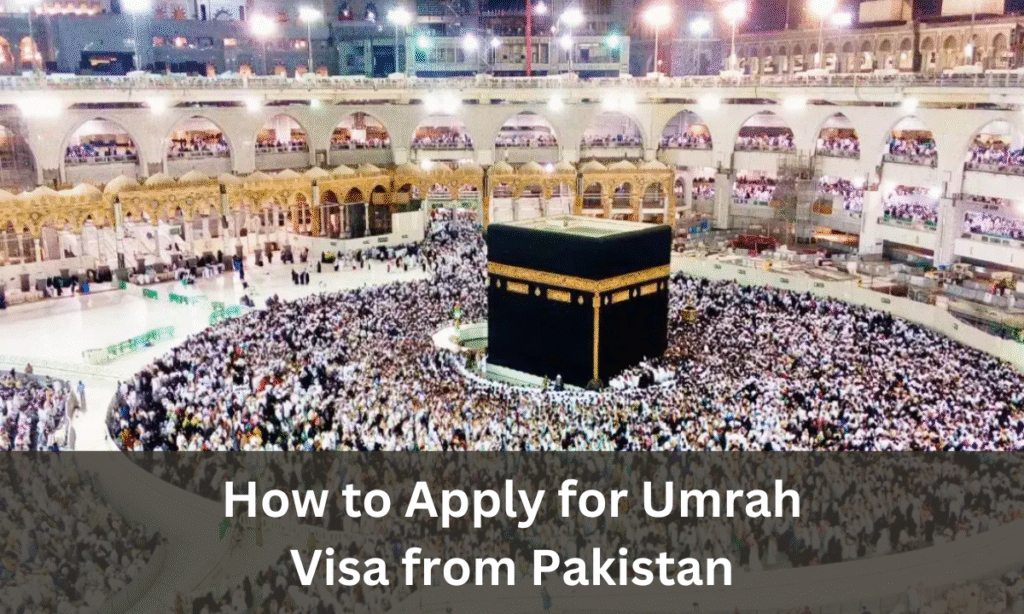
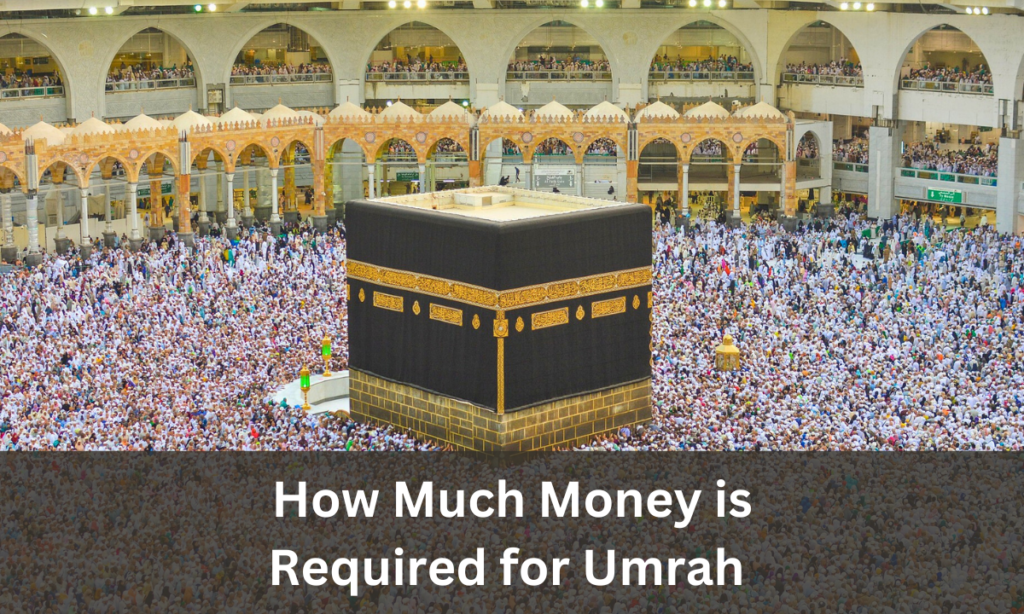
Tawaf is one of the main acts of worship during Umrah. It means walking around the Kaaba seven times in a counterclockwise direction. The word Tawaf comes from the Arabic root that means “to go around,” and it symbolizes your devotion to Allah and your willingness to keep Him at the center of your life. Each round around the Kaaba is not only a physical movement but also a spiritual reminder that your life and faith revolve around the Creator.
To begin Tawaf, you enter the area around the Kaaba with calmness and respect. If possible, perform wudu before starting, as cleanliness is important. Start your Tawaf from the corner of the Kaaba where the Black Stone, known as Hajr-e-Aswad, is located. When you reach it, raise your right hand and say “Bismillah, Allahu Akbar” before moving forward. If you can touch or kiss the Black Stone safely, you may do so, but it is not required, especially when the crowd is large. The main goal is to begin from that point with sincerity.
You must walk seven complete rounds around the Kaaba in an anti-clockwise direction, keeping the Kaaba on your left side. Men are encouraged to walk briskly during the first three rounds if possible, while women should move at a normal pace. Each round begins and ends at the Black Stone. Staying calm, patient, and focused during Tawaf is more important than speed or position.
During Tawaf, you can recite any dua or prayer that comes from your heart. There is no fixed dua for each round, but many pilgrims like to repeat short supplications such as “Rabbana atina fid-dunya hasanatan wa fil-akhirati hasanatan wa qina ‘adhaban-nar,” which means “Our Lord, give us good in this world and good in the Hereafter, and protect us from the fire.” Use this time to ask for forgiveness, mercy, and blessings for yourself and others.
When you complete all seven rounds, perform two units of prayer (raka’ah) behind the station of Ibrahim (Maqam Ibrahim) if space allows. This completes your Tawaf, marking a moment of peace and closeness to Allah. As you finish, drink Zamzam water and thank Allah for allowing you to reach this sacred stage of Umrah.
Step 3: Sa’i (Walking Between Safa and Marwah Hills)
Sa’i is the next step of Umrah after completing Tawaf. It means walking between the two hills of Safa and Marwah, located inside Masjid al-Haram. This act has deep spiritual and historical meaning. Sa’i reminds you of the faith and struggle of Hajar, the wife of Prophet Ibrahim, and her baby son Ismail. When she was left in the desert with no water, she ran between these two hills searching for help. Out of her patience and strong belief in Allah, the Zamzam water appeared as a miracle. By performing Sa’i, you follow her example of hope, trust, and faith in Allah’s mercy.
You begin Sa’i at Safa Hill. When you reach it, face the Kaaba and raise your hands to make dua. You may recite verses or personal prayers asking for forgiveness and blessings. After that, walk toward Marwah Hill. The path between Safa and Marwah is clearly marked and air-conditioned for your comfort. You walk the distance seven times in total, starting from Safa and ending at Marwah. Each trip from one hill to the other counts as one round. Men are encouraged to walk briskly between the green light markers, while women maintain a normal pace.
During Sa’i, your focus should remain on worship and remembrance of Allah. You can recite short duas or repeat dhikr, such as “Subhan Allah,” “Alhamdulillah,” and “Allahu Akbar.” Many pilgrims also repeat personal prayers from the heart, asking for strength, guidance, and mercy. The key is to stay sincere and mindful rather than rushing through the ritual. Think about Hajar’s faith and how Allah rewarded her trust with His divine help.
When you reach Marwah Hill after completing the seventh round, raise your hands once again and make a final dua. This marks the end of Sa’i. At this moment, take a few minutes to reflect on your journey. You have followed in the footsteps of true devotion and patience. Sa’i is not only a physical act of walking but a reminder that effort and trust in Allah always lead to His mercy and reward.
Step 4: Shaving or Trimming Hair (Tahalul)
Shaving or trimming your hair, known as Tahalul, is the final step in completing Umrah. It symbolizes purification and renewal after performing all the sacred rituals. This act shows that you have completed your journey with humility and are ready to return to your normal life with a purified heart and spirit. It is a simple but very meaningful step that closes your Umrah with gratitude and submission to Allah.
For men, the preferred way to complete Tahalul is to shave the entire head. This act reflects full devotion and obedience to Allah’s command. However, if shaving is not possible due to health or personal reasons, trimming the hair evenly across the head is acceptable. Men should avoid cutting only a small portion; instead, ensure the trimming is balanced from all sides.
For women, the rule is different. Women do not shave their heads. Instead, each woman cuts a small portion of her hair, about the length of a fingertip, from the end of each braid or section. This represents modesty and dedication without removing all the hair. It should be done privately and respectfully, often in a safe or covered space.
Once you have completed the shaving or trimming, you come out of the state of Ihram. You can now wear normal clothes, use scented products, and return to your regular routine. This act marks the end of your Umrah, but it is also a new beginning for your spiritual journey.
After finishing Tahalul, it is a good time to make dua. Thank Allah for guiding you through the rituals and giving you the strength to complete your pilgrimage. You can pray for forgiveness, blessings, and peace for yourself, your family, and all Muslims. Many pilgrims also make dua that their Umrah be accepted and that they may return again for Hajj or another visit to Makkah.
By completing this step with sincerity, you close your Umrah with gratitude and peace. The feeling of renewal you experience after Tahalul reminds you that worship is not only about physical actions but also about the change it brings within your heart.
Common Mistakes to Avoid During Umrah

When performing Umrah, your goal is to focus on worship and maintain the right intention throughout the journey. However, many pilgrims make small mistakes that can affect the spiritual value of their Umrah. By understanding these common errors, you can prepare yourself better and perform each step correctly and peacefully.
One common mistake is entering the state of Ihram incorrectly. Ihram is not just about wearing special clothing; it is about entering a sacred state of worship. Some people forget to make their intention (niyyah) at the right place, known as Miqat, or they use scented products after wearing Ihram. Both of these actions can break the rules of Ihram. Before you begin, make sure you clearly declare your intention to perform Umrah and avoid using perfumes, scented soaps, or lotions. Keep your focus on purity and obedience rather than appearance or comfort.
Another frequent mistake is missing a round during Tawaf. Each Tawaf must include seven complete circles around the Kaaba, starting and ending at the Black Stone. Losing count can happen easily in a crowded environment, especially if you are distracted. To avoid this, use your fingers or a small counter to track your rounds. Staying aware of your movements helps you maintain concentration and complete Tawaf correctly.
Talking loudly or taking selfies during rituals is another distraction that takes away from the purpose of Umrah. While it is natural to want to capture memories, Umrah is a time to disconnect from worldly habits and focus on worship. Speaking loudly, using mobile phones, or posing for photos during Tawaf or Sa’i can disturb others and reduce your own sense of humility. Keep your phone away during rituals and communicate quietly if necessary.
The most serious mistake, however, is ignoring the spirit of humility and patience. Umrah is not just about completing physical actions; it is about inner change and submission to Allah. Arguing, showing impatience in crowds, or feeling proud of your effort goes against the essence of the pilgrimage. Stay patient with delays, be kind to fellow pilgrims, and remind yourself that every moment in Makkah is a chance for forgiveness and growth.
By avoiding these mistakes, you keep your focus on the purpose of Umrah—seeking closeness to Allah and purifying your heart. A calm mind, humble attitude, and respectful behavior make your pilgrimage truly meaningful and spiritually rewarding.
Useful Tips for a Peaceful Umrah
To make your Umrah experience peaceful and well-organized through Alaf Travels highly professional packages, it is important to prepare yourself both mentally and physically. Many pilgrims face stress or tiredness due to the crowd and busy schedule, but with a few practical tips, you can keep your energy and focus on worship. A calm and well-planned approach allows you to perform every ritual with devotion and ease.
One of the most important things during Umrah is to stay hydrated and take short breaks between rituals. The climate in Makkah can be hot, and long walks during Tawaf or Sa’i can be tiring. Always keep a bottle of water with you and drink often to prevent dehydration. If you feel tired, find a quiet place to sit and rest before continuing. Remember that performing Umrah is not a race. Maintaining your energy helps you stay patient and focused, especially during long hours inside the mosque.
Respecting others and maintaining cleanliness is another key part of your spiritual journey. The holy sites are shared by millions of people, and showing good manners is part of your worship. Avoid pushing or rushing in crowds, and be kind to those around you. Keep your area clean by not leaving trash or disposable items behind. Using the available facilities properly and following the guidance of staff ensures everyone has a comfortable and peaceful experience.
Using a checklist app or printed guide is also helpful for keeping track of your steps. With many rituals and duas to remember, a checklist helps you stay organized and confident. You can note down the order of rituals, important prayers, and reminders about what to do at each stage. This simple tool reduces confusion and gives you peace of mind, especially if it is your first time performing Umrah.
Crowds are a natural part of the pilgrimage, and it is common to feel overwhelmed at times. Keeping calm during crowded moments is essential for your safety and peace of heart. Take deep breaths, move slowly, and avoid arguments or frustration. Remind yourself that patience is an act of worship. Every challenge during Umrah is a chance to practice self-control and strengthen your faith.
By staying hydrated, being respectful, staying organized, and keeping calm, you create a smooth and peaceful Umrah experience. These simple habits make a big difference and allow you to focus on the true purpose of your journey — to connect deeply with Allah and find peace within yourself.
Conclusion
When you look back at the steps of Umrah, you can see how each one has its own purpose and spiritual meaning. You begin by entering the state of Ihram, where you make your intention and leave behind all worldly distractions. Then you perform Tawaf, walking around the Kaaba as a sign of devotion and unity with millions of believers. After that, you continue with Sa’i between the hills of Safa and Marwah, following the story of Hajar and her faith in Allah. Finally, you complete your Umrah with Tahalul, shaving or trimming your hair to mark purity and renewal. Each step builds your connection with Allah and teaches you discipline, patience, and gratitude.
It is important to remember that Umrah is not only a series of physical actions but a deep spiritual journey. Every step you take is meant to cleanse your heart, strengthen your faith, and remind you of your purpose as a believer. Performing Umrah is more than completing rituals; it is about transforming your thoughts, actions, and relationship with Allah. When you walk around the Kaaba or raise your hands in dua, you are not just moving — you are growing closer to your Creator.
As you return home, keep the peace and humility you experienced in Makkah alive in your daily life. Let your Umrah remind you to be patient, thankful, and kind to others. True success of Umrah is not only in finishing the rituals but in keeping that spiritual light within your heart. May your journey bring you lasting peace, forgiveness, and closeness to Allah, and may it inspire you to live with faith and gratitude every day.
FAQs
Q1. What is the best time to perform Umrah?
You can perform Umrah at any time of the year since it is not limited to a specific month like Hajj. However, many people prefer to perform Umrah during Ramadan because it carries greater spiritual rewards. The Prophet Muhammad (peace be upon him) said that performing Umrah during Ramadan is equal in reward to performing Hajj. If you want to avoid crowds, it is better to travel during the off-peak months, such as after Hajj season or before Ramadan. This way, you can perform your rituals with more comfort and focus.
Q2. How long does Umrah take to complete?
The duration of Umrah depends on your pace and the crowd level. On average, a complete Umrah takes between three to six hours. This includes performing Tawaf around the Kaaba, Sa’i between Safa and Marwah, and shaving or trimming your hair at the end. Some pilgrims like to take extra time for prayer and reflection inside the mosque, which can make the experience longer. It is not a race; you should move calmly and complete each ritual with peace and full concentration.
Q3. Can women perform Umrah without a mahram?
The rule about women performing Umrah without a mahram depends on the country and the visa policy in place. In recent years, Saudi Arabia has allowed women to perform Umrah without a mahram under certain conditions, especially in organized groups or with approved travel packages. It is always best to confirm the latest requirements with your travel agency or embassy before planning your trip. Whether traveling alone or with family, women should ensure safety, proper accommodation, and guidance throughout their pilgrimage.
Q4. What do I say when starting Umrah?
Before starting Umrah, you should make your intention (niyyah) at the Miqat, the boundary point around Makkah. You say, “Labbayka Umrah,” which means “Here I am, O Allah, to perform Umrah.” After that, you enter the state of Ihram and begin reciting the Talbiyah prayer: “Labbayk Allahumma Labbayk, Labbayka La Shareeka Laka Labbayk. Innal Hamda Wan-Ni’mata Laka Wal-Mulk, La Shareeka Lak.” This declaration shows your readiness and commitment to perform Umrah sincerely for the sake of Allah.
Q5. Is Umrah compulsory in Islam?
Umrah is not compulsory but highly recommended in Islam. It is a Sunnah act of worship that brings great spiritual benefits and forgiveness. Hajj, on the other hand, is one of the five pillars of Islam and is obligatory once in a lifetime for those who have the physical and financial means. Performing Umrah, even once, is a beautiful opportunity to renew your faith, seek forgiveness, and experience the peace of standing in the House of Allah. Many Muslims try to perform Umrah multiple times in their lives because of the blessings and spiritual connection it brings.